
Smoke Damage Restoration: Essential Steps After a Fire
This is a subtitle for your new post
A fire can leave behind much more than visible damage. Even after the flames are extinguished, smoke, soot, and strong odors can continue affecting your home, belongings, and indoor environment. Professional smoke damage restoration is an important step in returning your property to a safe and livable condition.
1. Inspection and Damage Assessment
The first step is a thorough inspection of the property. Restoration professionals identify areas affected by smoke and soot, determine the type and extent of the damage, and evaluate walls, ceilings, flooring, furniture, and personal belongings.
This assessment helps create a restoration plan based on the specific needs of the property.
2. Soot and Smoke Residue Removal
Smoke can leave a layer of soot and residue on many surfaces throughout the property. Depending on the materials and type of smoke, specialized cleaning methods and products may be required.
Professional cleaning helps prevent soot from causing additional staining, discoloration, or damage to surfaces.
3. Cleaning Walls, Ceilings, and Surfaces
Smoke residue can settle on walls, ceilings, cabinets, floors, and other surfaces. Restoration technicians use appropriate cleaning techniques to remove residue while protecting the affected materials.
In some cases, surfaces may require additional treatment or restoration.
4. Smoke Odor Removal
Smoke odors can remain long after visible soot has been cleaned. Odors may penetrate walls, furniture, carpets, fabrics, and other porous materials.
Professional restoration companies use specialized odor-removal techniques and equipment to treat affected areas and reduce persistent smoke odors.
5. Cleaning and Restoring Belongings
Furniture, clothing, documents, and other personal belongings may also be affected by smoke and soot. Depending on the condition of each item, professional cleaning and restoration techniques may help recover items that might otherwise need to be discarded.
6. Air Cleaning and Deodorization
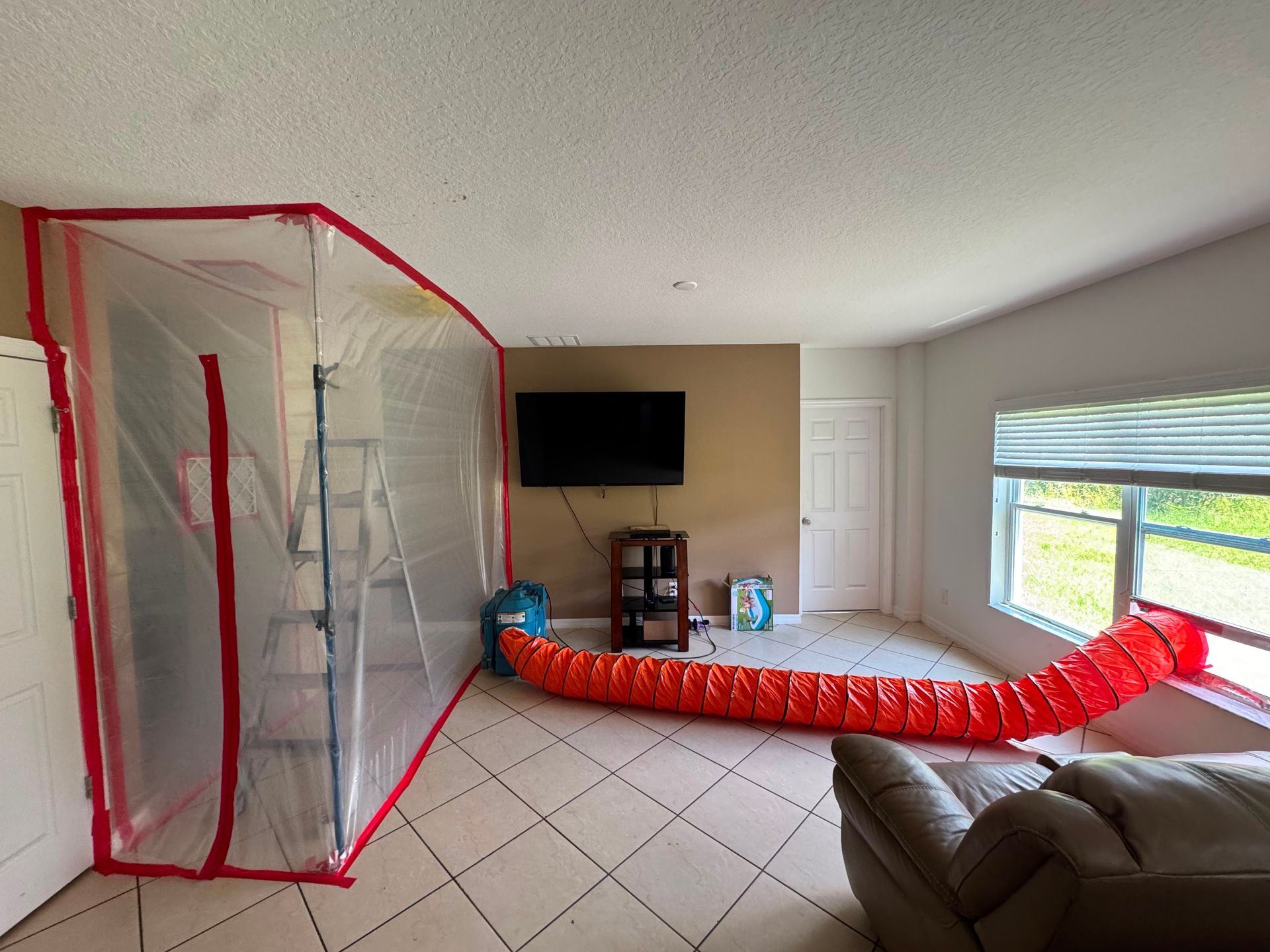
Smoke particles can affect the indoor environment. Professional air-cleaning equipment can help remove airborne particles and improve the air inside the property during the restoration process.
Proper ventilation and specialized filtration may be used as part of the overall restoration plan.
7. Final Inspection
After cleaning and restoration are completed, the property should be inspected again to ensure that affected areas have been properly addressed.
The goal is to restore the property as completely as possible and help homeowners move forward after a fire.
Why Professional Smoke Restoration Matters
Smoke damage can be more extensive than what is visible. Smoke and soot can travel through a property and affect areas away from the original fire.
Trying to clean everything yourself can also spread soot or permanently damage certain materials if the wrong cleaning products or techniques are used.
A professional restoration team has the equipment, experience, and specialized cleaning methods needed to address smoke, soot, and odor damage properly.
Don't Wait to Address Smoke Damage
The sooner smoke damage is addressed, the better. Smoke residue and odors can become more difficult to remove over time and may cause additional damage to certain materials.
If your home or business has experienced fire or smoke damage, contact a professional restoration company for an inspection and restoration plan.
Need help after a fire? Our team is ready to help with smoke, soot, and fire damage restoration. Contact us today to schedule an assessment and take the first step toward restoring your property.
#SmokeDamage #SmokeRestoration #FireDamageRestorati