The Dangers of Mold in Rental Properties: What Apartment Managers, Property Managers, and Realtors Need to Know

Bestway Restoration • November 18, 2026

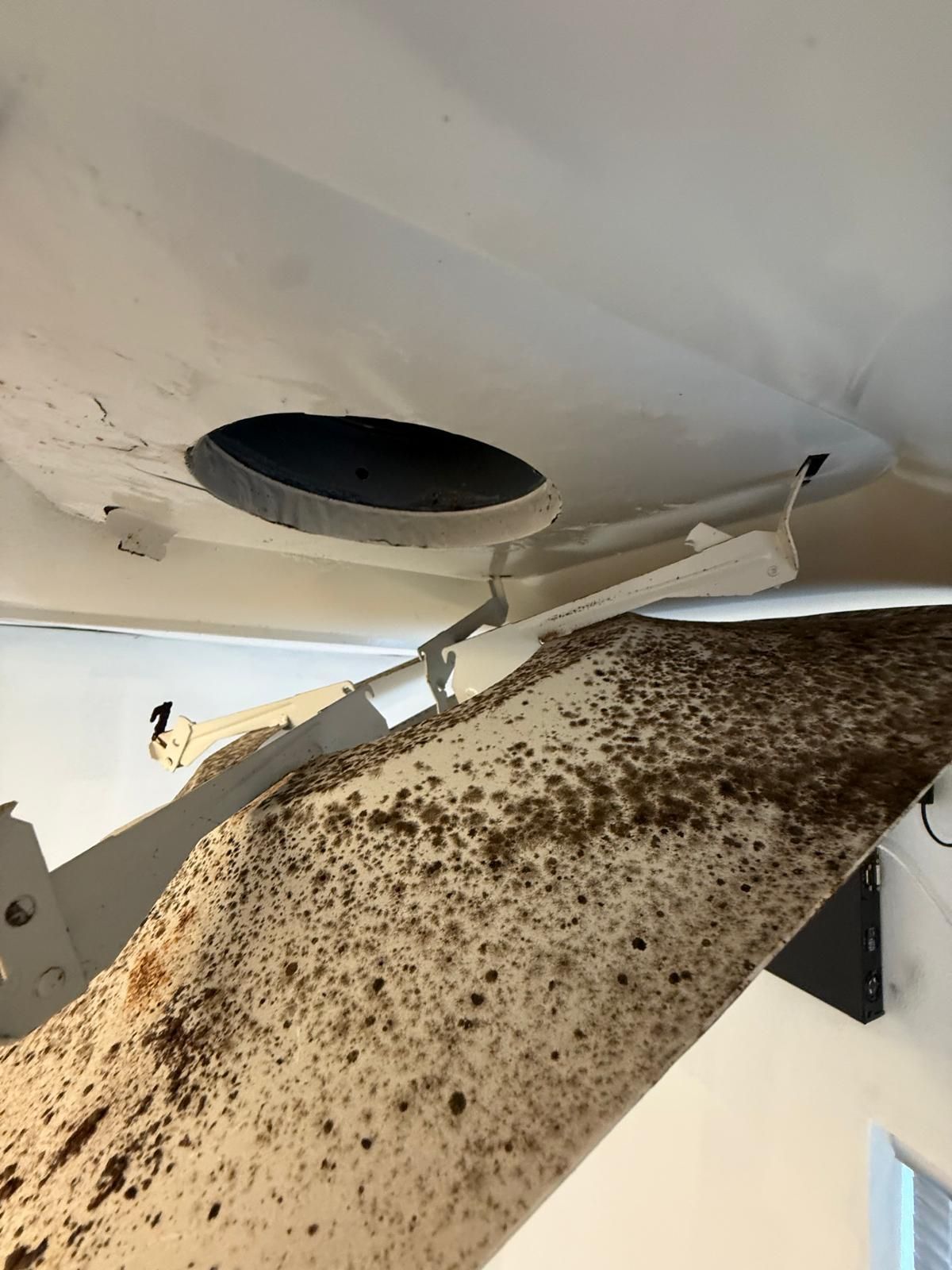
Mold is more than an unpleasant appearance on a wall or ceiling. For apartment managers, property management companies, homeowners associations, and real estate professionals, mold can become a serious concern that affects tenants' health, property conditions, operating expenses, and property value.

In Florida, high humidity, frequent rain, plumbing leaks, roof damage, and water intrusion can create ideal conditions for mold growth. When moisture problems are not addressed properly, mold can develop in areas that are not immediately visible, including behind drywall, under flooring, inside cabinets, and above ceilings.

Understanding the risks of mold and responding quickly can help protect your properties and prevent more expensive problems.

1. Mold Can Affect Tenant Health and Comfort

One of the biggest concerns associated with mold is its potential impact on indoor air quality and occupant health.

Exposure to mold can cause allergic reactions, coughing, sneezing, nasal congestion, skin irritation, and respiratory symptoms. People with asthma or mold allergies may be particularly sensitive.

For apartment and property managers, addressing suspected mold problems promptly is an important part of maintaining a safe and comfortable living environment.

2. Mold Can Cause Significant Property Damage

Mold growth is often connected to an underlying moisture problem. If a water leak or infiltration is ignored, moisture can accumulate inside building materials and create conditions for mold to develop.

Common areas where mold can grow include:

  • Behind walls and drywall.
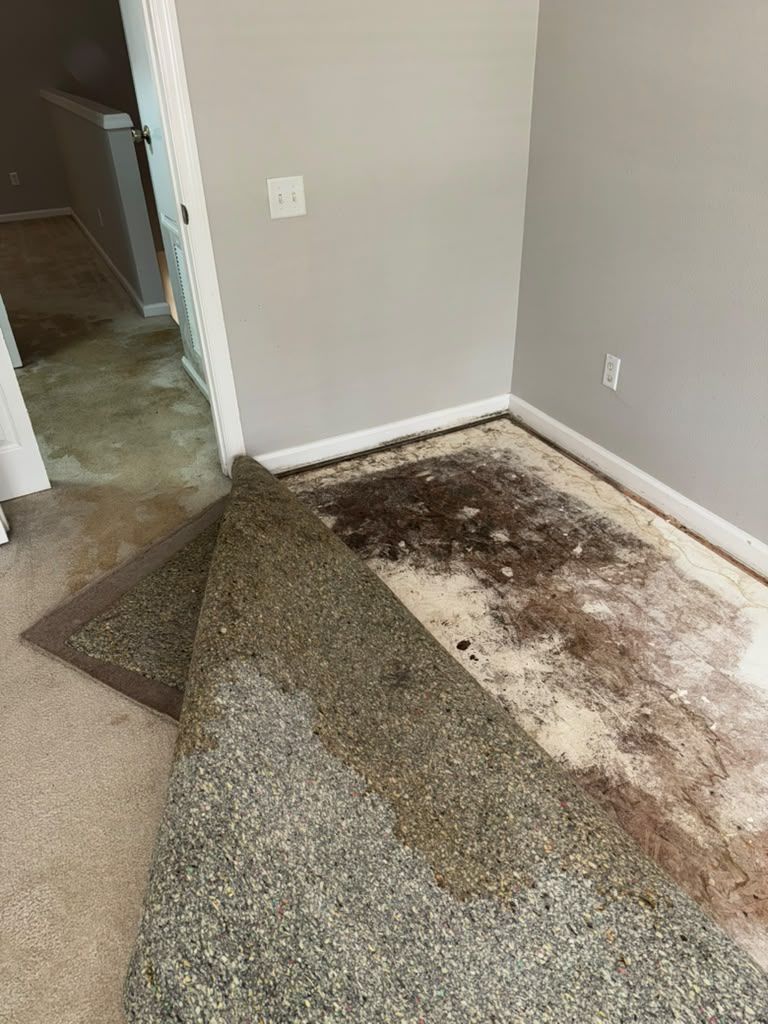
  • Under carpets and flooring.
  • Around windows and doors.
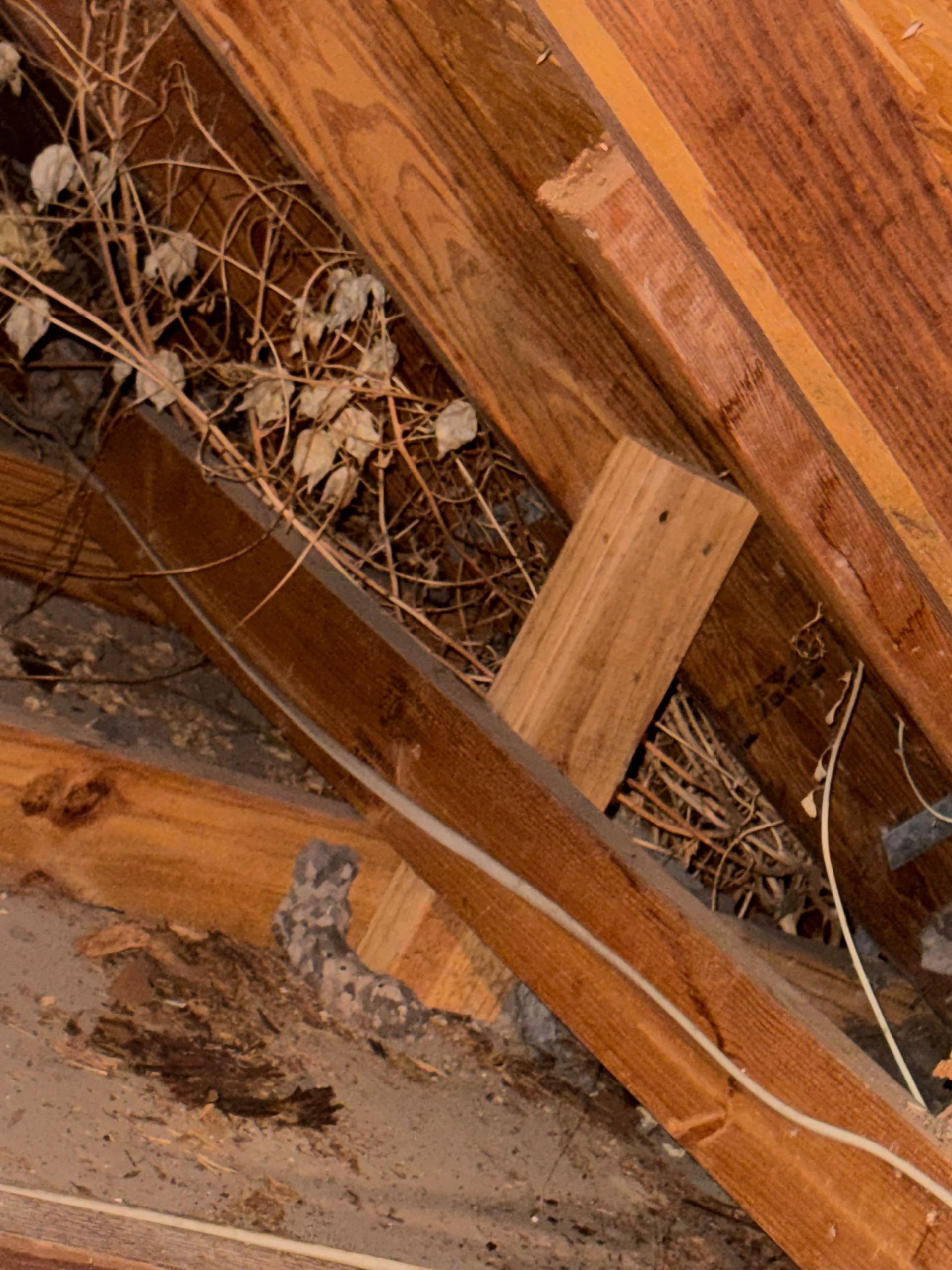
  • Inside ceilings and attic spaces.
  • Under sinks and around plumbing fixtures.
  • Inside HVAC systems and areas with poor ventilation.

If left untreated, moisture and mold can contribute to deterioration of drywall, wood, insulation, flooring, and other building materials.

3. Delaying Mold Remediation Can Increase Costs

A small moisture problem can become a much larger restoration project when it is ignored.

For property management companies overseeing multiple apartments or buildings, delayed attention can result in:

  • More extensive mold contamination.
  • Additional demolition and reconstruction.
  • Increased maintenance and repair expenses.
  • Potential tenant complaints and relocation concerns.
  • Longer property downtime and loss of rental income.

Taking action when the first warning signs appear can help prevent unnecessary damage and expenses.

4. Warning Signs Property Managers and Realtors Should Never Ignore

Not all mold problems are immediately visible. Sometimes, the first indication of a problem is a persistent musty smell or a history of water intrusion.

Watch for these warning signs:

  • Musty or unpleasant odors inside apartments or buildings.
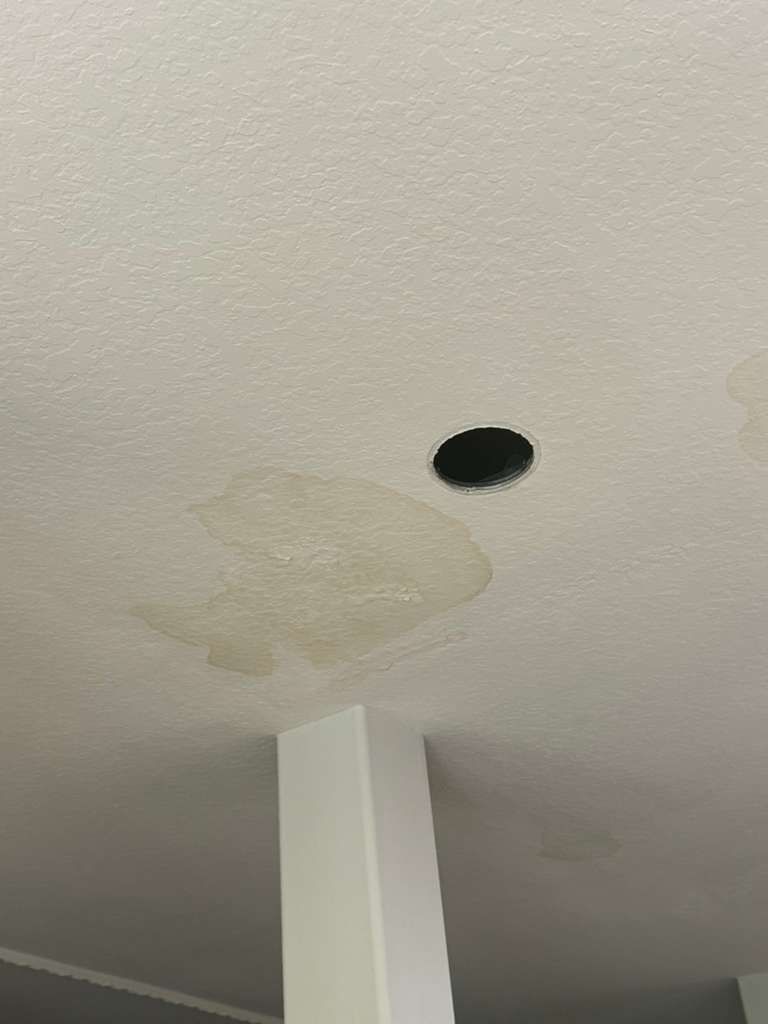
  • Dark spots or discoloration on walls and ceilings.
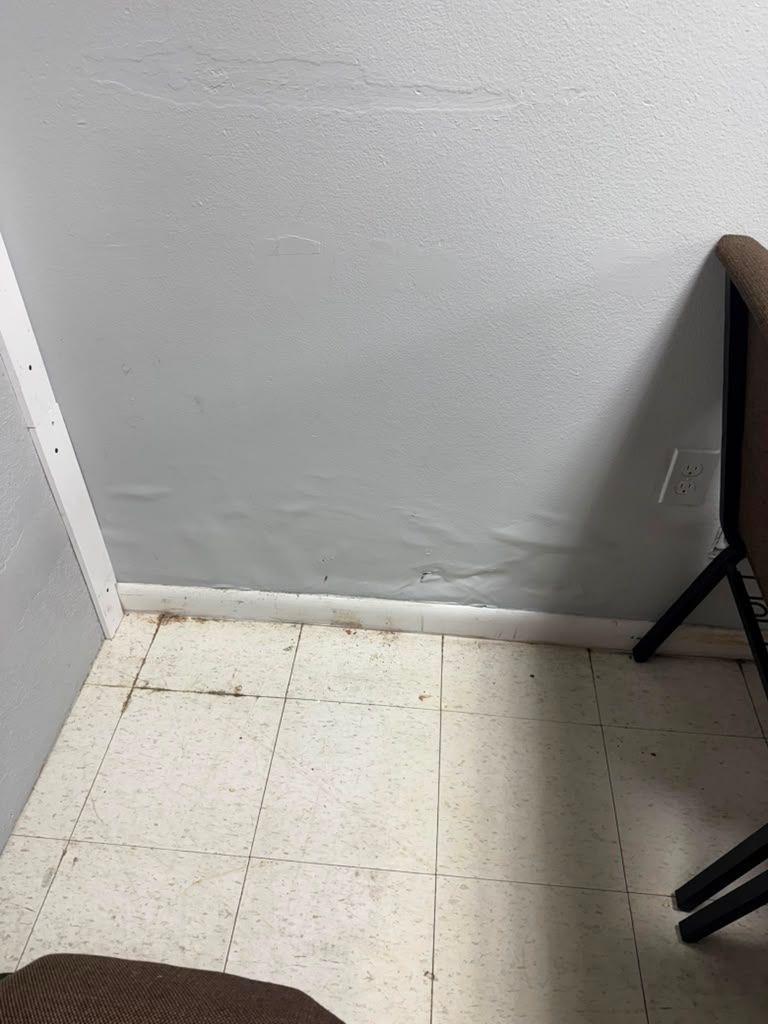
  • Peeling paint or bubbling drywall.
  • Previous roof leaks or plumbing problems.
  • Water stains around windows and doors.
  • Persistent condensation or excessive humidity.
  • Recurring moisture problems in bathrooms and kitchens.

Even if the affected area appears dry, moisture may still be trapped inside building materials.

5. Why Professional Mold Remediation Matters

Cleaning visible mold with household products does not necessarily resolve the underlying problem. Professional mold remediation involves identifying the affected areas, addressing the source of moisture, containing the work area when appropriate, removing affected materials when necessary, and performing proper cleaning procedures.

A professional assessment can help determine the extent of the problem and the appropriate next steps.

It is also important to remember that mold remediation alone will not prevent future growth if the moisture source is not corrected.

6. Protect Your Investment and Your Tenants

Whether you manage a large apartment community, oversee rental homes, represent buyers and sellers, or maintain commercial properties, mold prevention and early intervention should be part of your property maintenance strategy.

Establishing regular inspections, responding quickly to water leaks, monitoring humidity, and addressing water damage professionally can help reduce the risk of mold problems.

Don't wait until a tenant reports a strong musty odor or visible mold growth. Early action can make a significant difference.

Need Professional Mold Remediation or Water Damage Restoration in Central Florida?

BESTWAY CARE CARPET CLEANING INC. provides professional water damage restoration and mold remediation services to help property owners and property management professionals address moisture and mold concerns.

We understand the importance of protecting your properties, maintaining tenant satisfaction, and minimizing unnecessary repair expenses.

Our services include:

  • Mold remediation.
  • Water damage restoration.
  • Water extraction and structural drying.
  • Moisture-related damage restoration.
  • Fire and smoke damage restoration.

Property Managers, Apartment Communities, and Realtors: Let Bestway Care Be Your Restoration Partner!

If you suspect mold or have experienced water damage in one of your properties, contact us today.
By Bestway Restoration • November 10, 2026
The body content of your post goes here. To edit this text, click on it and delete this default text and start typing your own or paste your own from a different source.
By Bestway Restoration • October 30, 2026
The body content of your post goes here. To edit this text, click on it and delete this default text and start typing your own or paste your own from a different source.
By Bestway Restoration • October 23, 2026
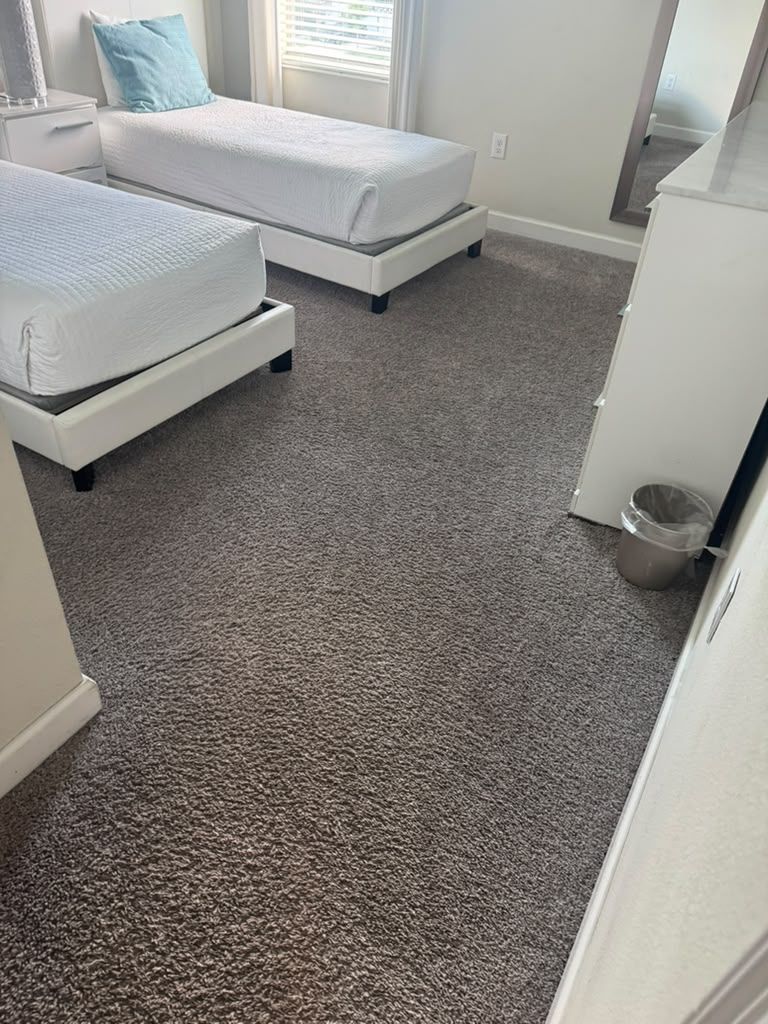
The holiday season is a special time to welcome family and friends into your home. From Thanksgiving gatherings to Christmas celebrations and New Year's festivities, your carpets play an important role in keeping your home comfortable, clean, and inviting. However, with increased foot traffic, spills, and everyday dirt, carpets can quickly lose their fresh appearance. At BESTWAY CARE CARPET CLEANING INC. , we recommend scheduling professional carpet cleaning before the holidays to help your home look its best and provide a cleaner, more welcoming environment for your guests. 1. Remove Dirt, Dust, and Built-Up Debris Throughout the year, carpets collect dirt, dust, and other debris brought in by shoes, pets, and daily activities. Regular vacuuming helps remove surface dirt, but particles can become trapped deep within carpet fibers. Professional carpet cleaning helps remove embedded dirt and buildup that ordinary vacuuming may leave behind, helping restore your carpet's appearance and freshness. 2. Eliminate Unpleasant Odors Cooking, pets, spills, and everyday household activities can leave unwanted odors in carpets. These smells may become more noticeable when guests visit and your home is busy. Professional carpet cleaning can help remove odor-causing residues and refresh your carpets, making your home more pleasant for holiday celebrations. 3. Remove Stains Before Guests Arrive Coffee spills, food stains, muddy footprints, and high-traffic marks can make carpets look worn and neglected. Before hosting holiday dinners or parties, it is a great idea to address these problem areas. Professional carpet cleaning includes appropriate pretreatment and spot treatment to help tackle many common stains. While some stains may be permanent, professional care can improve the overall appearance of your carpets. 4. Create a Cleaner, More Comfortable Home Clean carpets contribute to the overall appearance and comfort of your living space. When guests arrive, you want them to feel welcome and comfortable. Carpets can also trap dust, allergens, and other particles. Proper carpet maintenance, combined with regular vacuuming and appropriate cleaning, can help reduce accumulated debris and support a cleaner indoor environment. 5. Protect Your Carpet Investment Carpets are an important part of your home's interior, and replacing them can be expensive. Dirt and gritty particles can contribute to fiber wear over time, especially in busy areas such as hallways, living rooms, and entryways. Routine professional cleaning helps remove accumulated soil and supports proper carpet maintenance, helping your carpets maintain their appearance for longer. 6. Schedule Your Cleaning Before the Holiday Rush The weeks leading up to Thanksgiving, Christmas, and New Year's can be especially busy. Scheduling your carpet cleaning in advance gives you more time to prepare your home without the last-minute stress. For the best results: Vacuum regularly before your appointment. Identify stains or areas that need special attention. Move small furniture and personal items when practical. Allow enough time for carpets to dry before guests arrive. Follow the recommended drying instructions after cleaning. Drying time varies depending on the carpet, cleaning method, humidity, and ventilation. Planning ahead helps ensure your carpets are ready for your celebrations. Trust BESTWAY CARE CARPET CLEANING INC. for Your Holiday Carpet Cleaning Getting your home ready for the holidays should not be stressful. Our professional carpet cleaning services help residential and commercial customers refresh their carpets and prepare their spaces for the season. Our carpet cleaning process may include: Professional pre-inspection. Pretreatment of stains and high-traffic areas. Deep hot water extraction, when appropriate for the carpet. Spot treatment for common stains. Deodorizing. Final quality inspection. Whether you are preparing your living room for a family dinner, refreshing guest bedrooms, or getting a commercial property ready for holiday visitors, our team is here to help. Make Your Home Holiday-Ready Today! Don't wait until the last minute to prepare your carpets for the holiday season. A professional cleaning can help refresh your home, improve the appearance of your carpets, and create a welcoming atmosphere for everyone who walks through your door.
By Bestway Restoration • October 13, 2026
The body content of your post goes here. To edit this text, click on it and delete this default text and start typing your own or paste your own from a different source.
By Bestway Restoration • October 6, 2026
The body content of your post goes here. To edit this text, click on it and delete this default text and start typing your own or paste your own from a different source.
By Bestway Restoration • September 24, 2026
The body content of your post goes here. To edit this text, click on it and delete this default text and start typing your own or paste your own from a different source.
By Bestway Restoration • September 17, 2026
The body content of your post goes here. To edit this text, click on it and delete this default text and start typing your own or paste your own from a different source.
By Bestway Restoration • September 9, 2026
Trees, vines, bushes, and other plants add beauty to your property, but when vegetation grows too close to your home, it can create hidden moisture problems. Plants growing against or into your siding, roofline, soffits, or other exterior areas can trap moisture and create an environment where mold can develop. In Florida, where humidity, heavy rain, and storms are common, these problems can become even more serious. How Can Plants Cause Water Damage? When vines, branches, or other vegetation grow against your siding, they can prevent the exterior of your home from properly drying after rain. Leaves and plant material can also trap water against the wall. Over time, moisture can find its way behind the siding or through small openings and damaged areas. This may lead to: Water intrusion Damaged siding Deteriorated wood Moisture inside walls Mold and mildew growth Musty odors Damage to insulation and other building materials What may look like a simple landscaping issue can eventually become a much larger restoration problem. Vegetation Can Also Affect Your Soffits and Attic One area homeowners often overlook is the soffit and attic . When trees, vines, or other plants grow close to the roof and soffit areas, they can contribute to moisture entering or becoming trapped around these areas. Damaged or compromised soffits can allow moisture to reach the attic. Once moisture enters the attic, it can affect: Roof sheathing Attic insulation Wood framing Ventilation areas Electrical components Other building materials A damp attic can become an ideal environment for mold growth . In some cases, homeowners may not notice a problem until they see staining on the ceiling, notice a musty smell, or discover visible mold. Why Florida Homes Are Especially Vulnerable Florida's combination of high humidity, frequent rain, tropical storms, and intense heat can make moisture problems develop quickly. Vegetation that stays wet against the exterior of your home can prevent surfaces from drying properly. During periods of heavy rain, water can also enter through vulnerable areas around siding, soffits, roof edges, windows, and other openings. That is why regular inspection and maintenance are important. Signs You May Have a Moisture or Mold Problem Look for warning signs such as: Plants or vines growing into or behind the siding Tree branches touching the roof Vegetation growing around soffits Damaged, loose, or swollen siding Staining on exterior walls Water stains on interior ceilings or walls Musty odors Damp or wet insulation in the attic Visible mold or mildew Soft or deteriorated wood Increased humidity inside the home If you notice any of these signs, it is important to address the moisture source—not just clean the visible mold. Don't Ignore the Source of the Problem Removing visible mold without identifying where the moisture is coming from may allow the problem to return. If vegetation has been growing against your home, the affected siding, soffit, roofline, wall cavity, or attic should be inspected to determine whether moisture has entered the structure. Properly addressing the source of the moisture is an important part of preventing additional damage and mold growth. Protect Your Home From Moisture and Mold Keep trees, vines, and bushes properly trimmed away from your home. Regularly inspect your siding, roofline, soffits, gutters, and attic for signs of moisture or damage. If you suspect water damage, moisture intrusion, or mold , contact a professional restoration company for an inspection. Early detection can help prevent a small moisture problem from becoming a much more expensive restoration project. Don't wait until you see mold to take action. Protect your home by addressing moisture problems early.
By Bestway Restoration • September 2, 2026
Water damage on a ceiling is a problem that should never be ignored. A small water stain, discoloration, or dripping ceiling may indicate a larger issue hidden above the surface. Whether caused by a roof leak, plumbing problem, overflowing appliance, or storm damage, acting quickly can help prevent additional damage and costly repairs. What Causes Water Damage on a Ceiling? Several problems can cause water to appear on your ceiling. Some of the most common causes include: Roof Leaks Damaged shingles, broken flashing, clogged gutters, or storm damage can allow rainwater to enter the property and travel into the ceiling. Plumbing Leaks If there is a bathroom, kitchen, or plumbing system above the damaged area, a leaking pipe or fixture may be the source of the problem. HVAC Problems Air conditioning systems can create condensation. If the drain line is clogged or there is a problem with the HVAC system, water can accumulate and damage ceilings and walls. Overflowing Appliances or Bathrooms Overflowing toilets, bathtubs, sinks, or appliances located on an upper floor can cause significant water damage to the ceiling below. Signs of Water Damage on Your Ceiling Water damage is not always immediately obvious. Watch for these warning signs: Yellow or brown water stains Peeling or bubbling paint Soft or sagging drywall Cracks in the ceiling Water dripping from the ceiling A musty odor Visible mold or mildew If you notice any of these signs, it is important to investigate the source of the water as soon as possible. Is a Water-Damaged Ceiling Dangerous? Yes, a water-damaged ceiling can become a safety concern. When drywall absorbs large amounts of water, it can become weak and eventually collapse. Water damage can also create the right conditions for mold growth. Mold may begin developing in damp materials within a relatively short period, especially in warm and humid environments. For these reasons, it is important to avoid waiting for the ceiling to dry on its own. What Should You Do If Water Is Coming Through the Ceiling? If you discover water damage or active leaking from your ceiling, take these steps: 1. Stop the Source of the Water If possible, identify whether the water is coming from a plumbing leak, roof leak, appliance, or another source and stop the flow of water. 2. Protect Your Belongings Move furniture, electronics, and other valuable items away from the affected area. 3. Be Careful Around Electrical Hazards If water is near light fixtures, electrical outlets, or wiring, avoid touching the area and consider turning off electricity to the affected area if it is safe to do so. 4. Do Not Ignore a Sagging Ceiling A bulging or sagging ceiling may contain trapped water and could collapse. Keep people away from the affected area. 5. Contact a Professional Water Damage Restoration Company Professional restoration equipment can help locate hidden moisture, remove water, dry affected materials, and reduce the risk of mold growth. Why Professional Drying Is Important Water can travel far beyond the visible stain on your ceiling. Moisture may be hidden inside insulation, walls, flooring, and structural materials. Professional water damage restoration may include: Moisture inspection and detection Water extraction Structural drying Removal of damaged materials when necessary Dehumidification Air movement and drying equipment Mold prevention and remediation when needed Documentation of the damage Proper drying is essential because simply painting over a water stain does not solve the underlying problem. Preventing Future Ceiling Water Damage Regular property maintenance can help reduce the risk of future water damage. Consider: Inspecting your roof regularly Cleaning gutters and downspouts Checking plumbing for leaks Maintaining your HVAC system Inspecting bathrooms and appliances for water leaks Addressing water stains immediately Don't Wait When You See Water Damage A small stain on the ceiling can become a major problem if the source of the water is not repaired and the affected area is not properly dried. If you have water damage on your ceiling, acting quickly can help protect your property and reduce the risk of structural damage and mold growth. Contact a professional water damage restoration company to inspect the affected area and begin the drying and restoration process as soon as possible.
By Bestway Restoration • August 26, 2026
New Title
More Posts