
How to Prepare for Flooding: Protect Your Home and Family Before Disaster Strikes
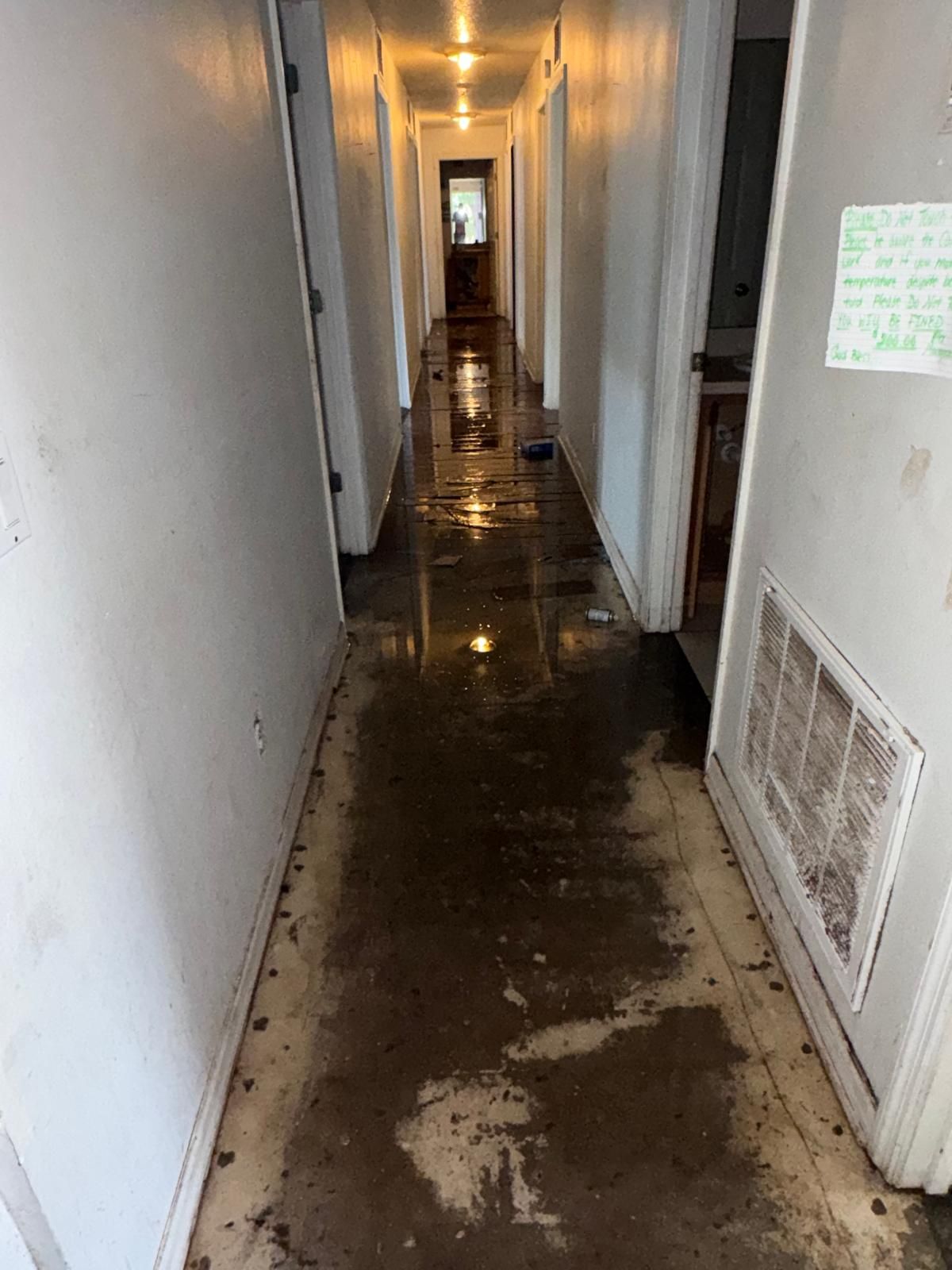
Flooding is one of the most common and costly natural disasters affecting homes and businesses in Florida. Heavy rain, tropical storms, hurricanes, overflowing lakes, or plumbing failures can all lead to significant water damage in a matter of minutes. While you can't control the weather, you can take steps to reduce the risk of costly repairs and keep your family safe.
Why Flood Preparation Matters
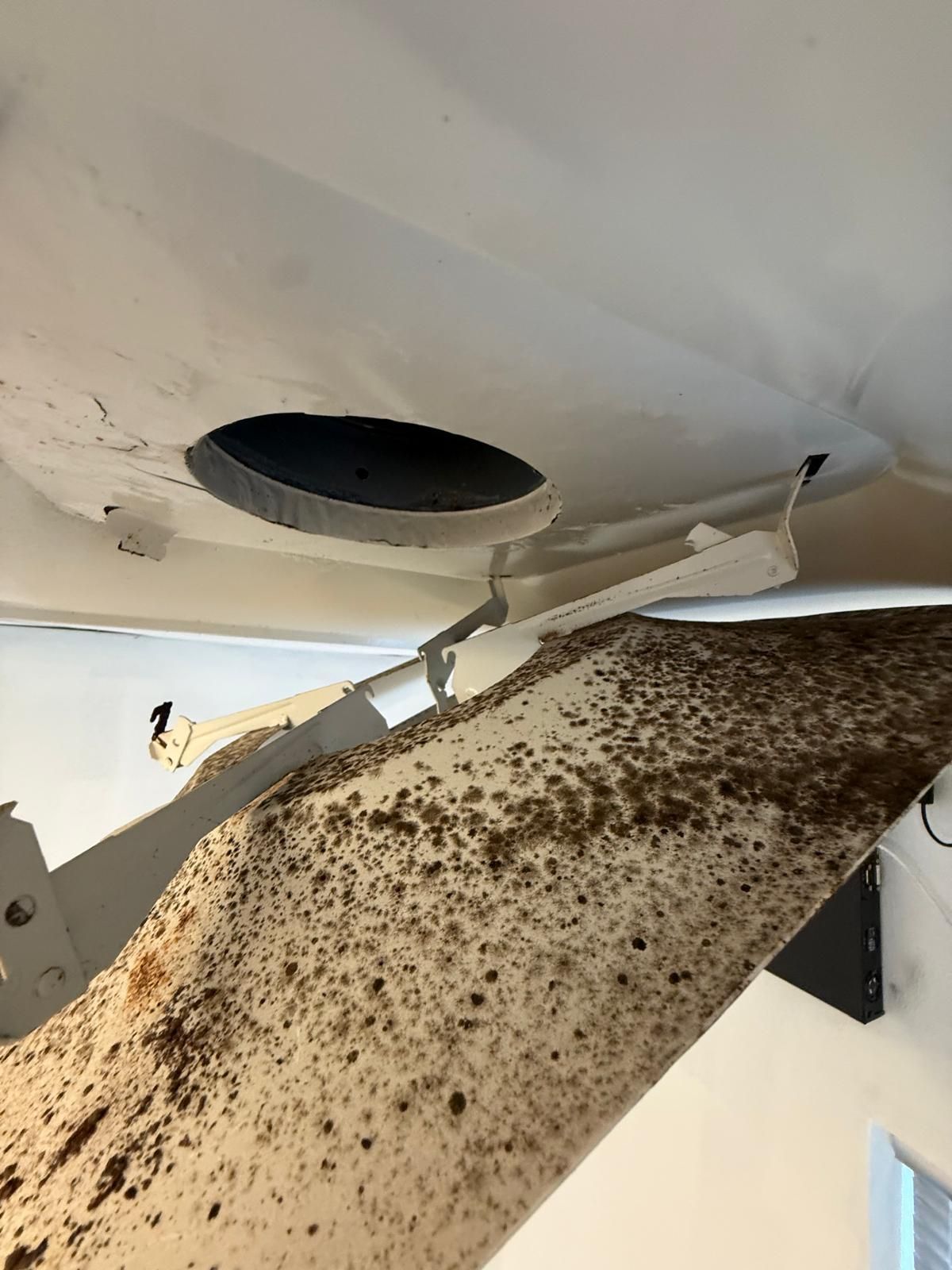
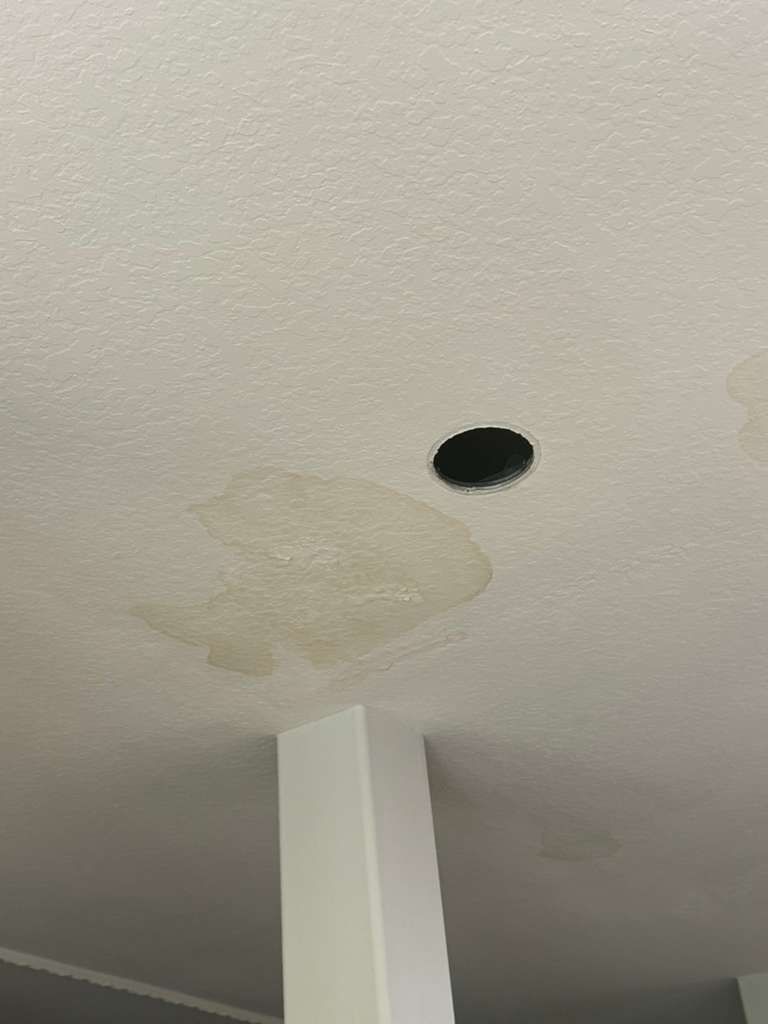
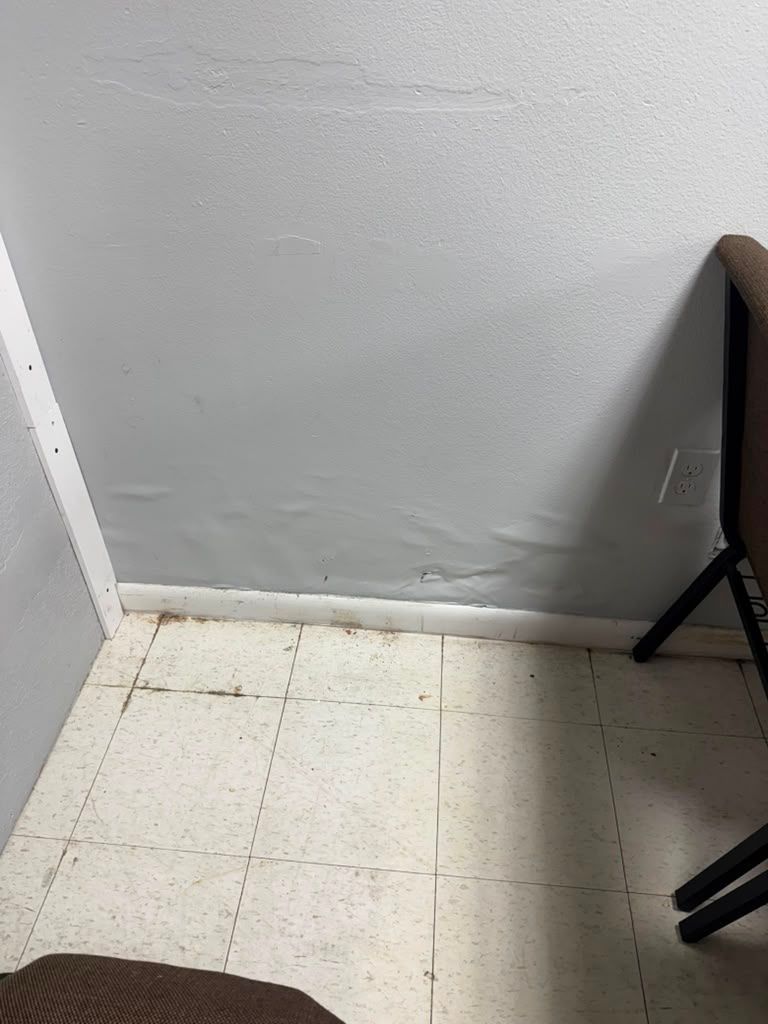
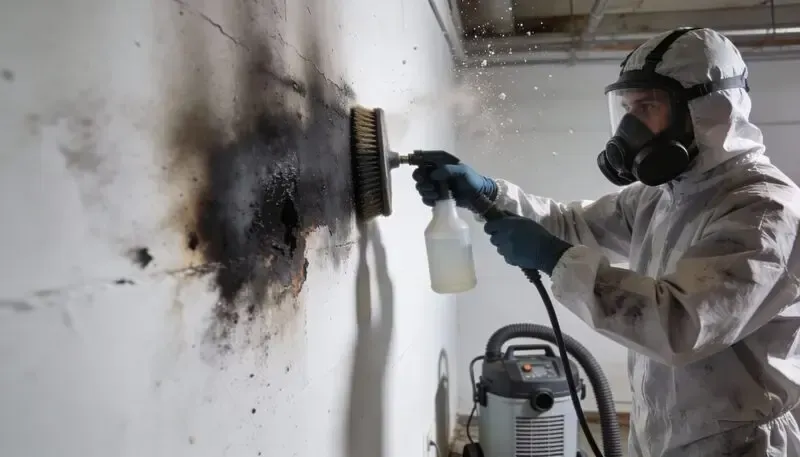
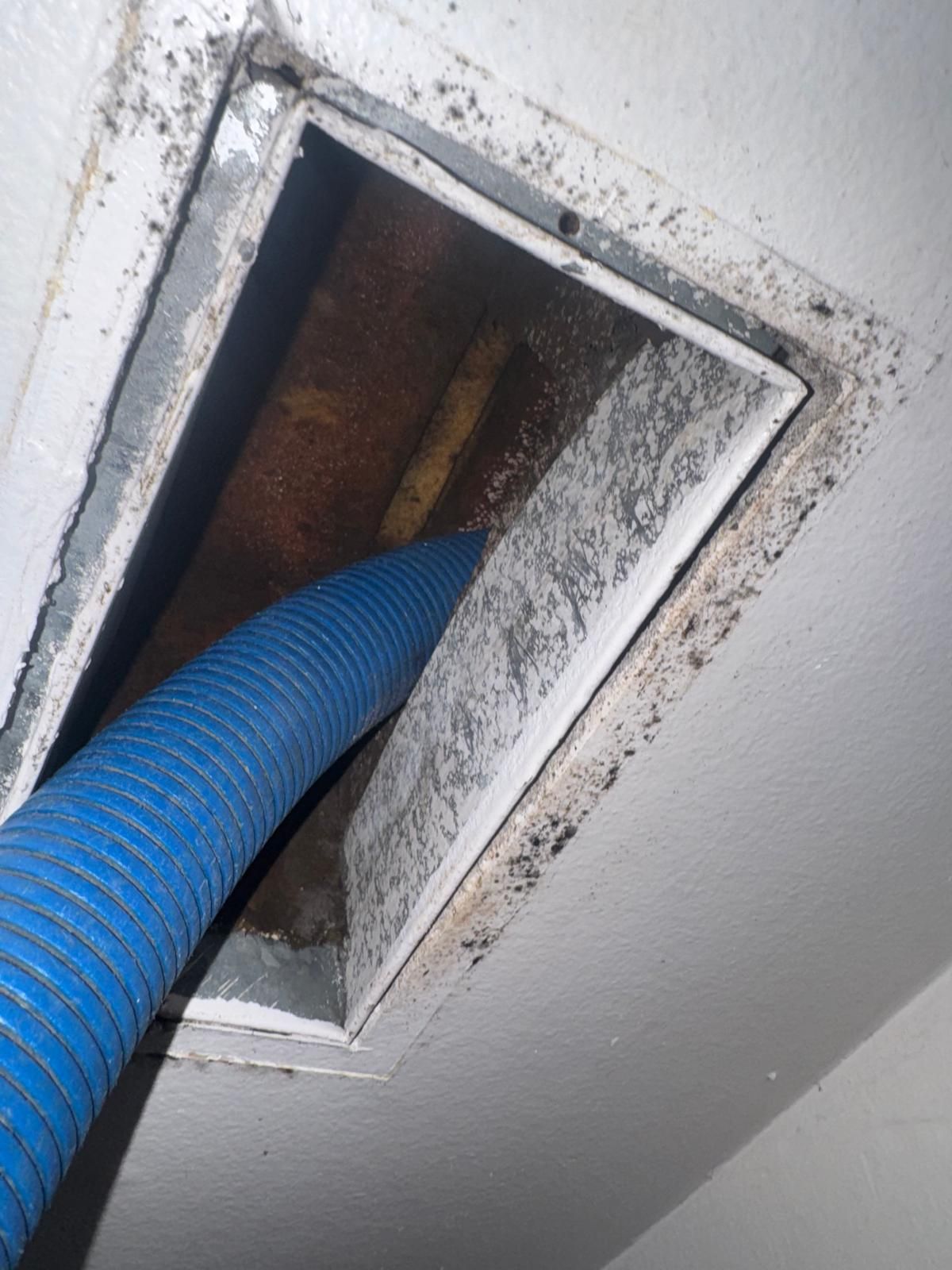
Floodwaters can damage flooring, drywall, furniture, electrical systems, and personal belongings. Even a small amount of water can create the perfect environment for mold growth within 24 to 48 hours. Preparing ahead of time can save thousands of dollars in repairs and help you recover more quickly.
1. Know Your Flood Risk
Find out whether your property is located in a flood-prone area. Pay attention to weather forecasts, flood watches, and evacuation orders, especially during Florida's hurricane season.
2. Keep Gutters and Drains Clean
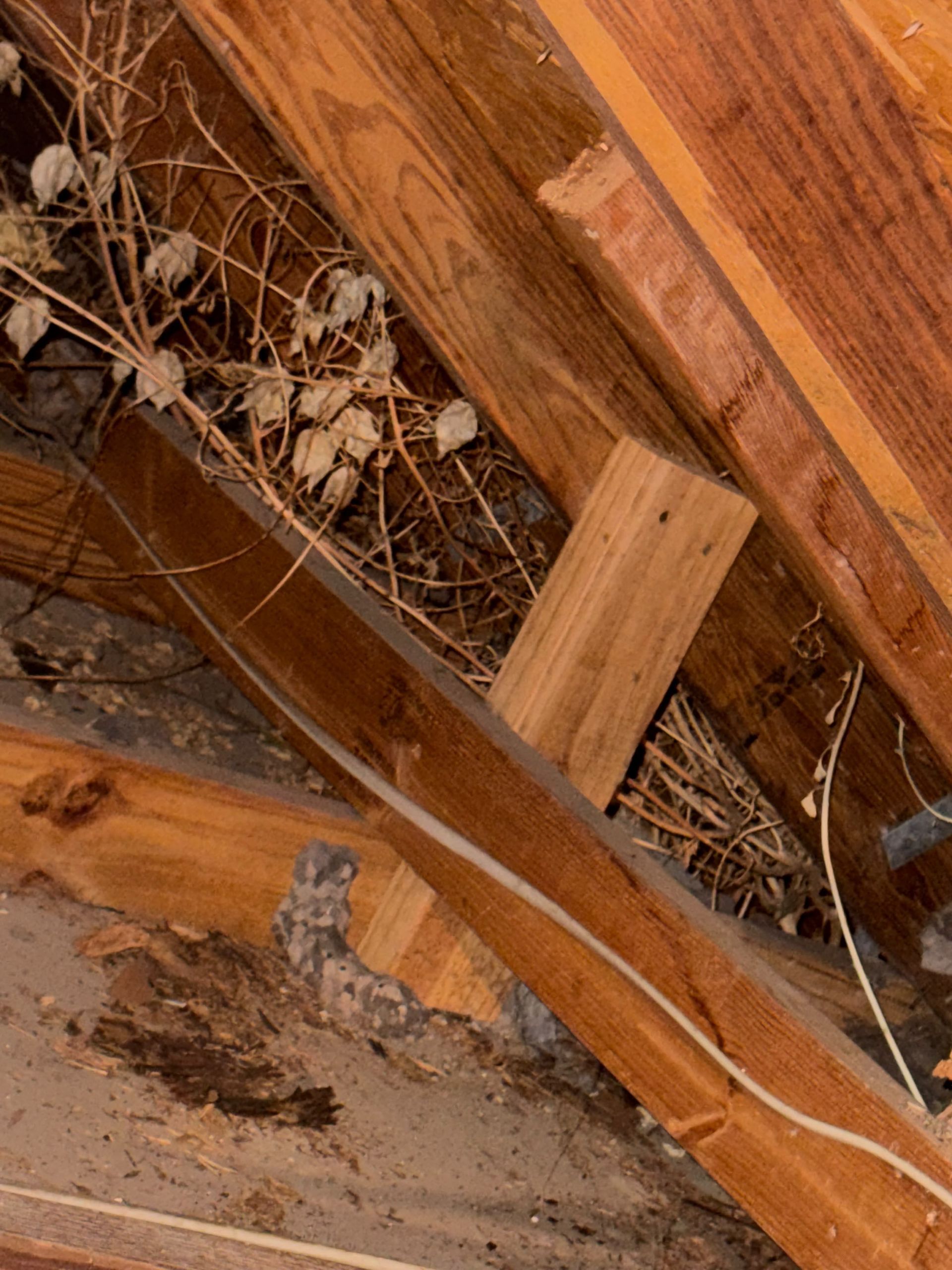
Leaves, dirt, and debris can block gutters and storm drains, causing water to back up and enter your home. Regular maintenance helps rainwater flow away from your property.
3. Inspect Your Roof and Foundation
Look for missing shingles, cracks in your foundation, or areas where water could seep inside. Repairing these issues before a storm can prevent major water intrusion.
4. Seal Doors and Windows
Inspect doors and windows for gaps or damaged weather stripping. Proper sealing helps reduce the chance of water entering your home during heavy rain.
5. Protect Important Documents
Keep passports, insurance policies, birth certificates, and other valuable documents in waterproof containers or digital backups stored securely online.
6. Prepare an Emergency Kit
Have supplies ready before a storm arrives, including:
- Drinking water
- Non-perishable food
- Flashlights
- Extra batteries
- First-aid kit
- Phone chargers and power banks
- Prescription medications
- Important contact information
7. Move Valuables to Higher Ground
If flooding is possible, move electronics, furniture, family heirlooms, and important belongings to upper floors or elevated shelves.
8. Know How to Shut Off Utilities
Learn how to safely turn off your home's electricity, gas, and water if flooding becomes severe. Never enter standing water if electrical hazards are present.
9. Review Your Insurance Coverage
Many homeowners are surprised to learn that standard homeowners insurance often does not cover flood damage. Review your policy and consider flood insurance if your property is at risk.
What to Do After a Flood
If your property experiences flooding:
- Stay out of standing water until it is safe.
- Document all damage with photos and videos.
- Contact your insurance company as soon as possible.
- Avoid using electrical appliances that have been exposed to water.
- Begin drying the affected areas immediately to reduce the risk of mold.
- Call a professional water damage restoration company for a thorough inspection and cleanup.
Why Professional Water Damage Restoration Is Important
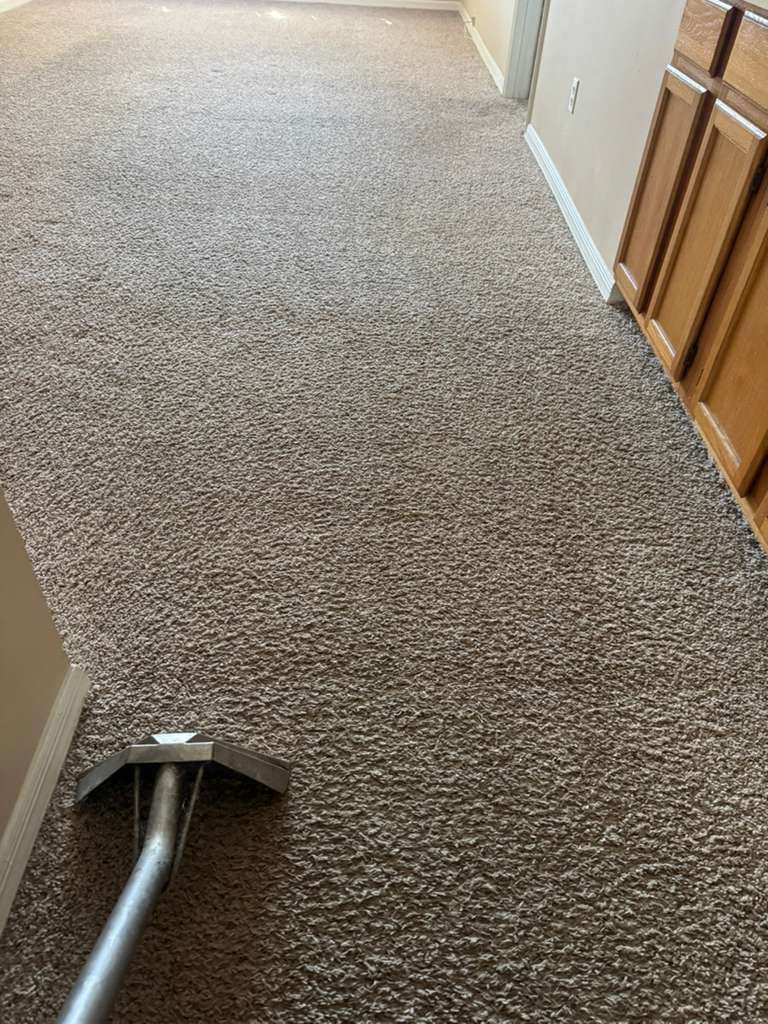
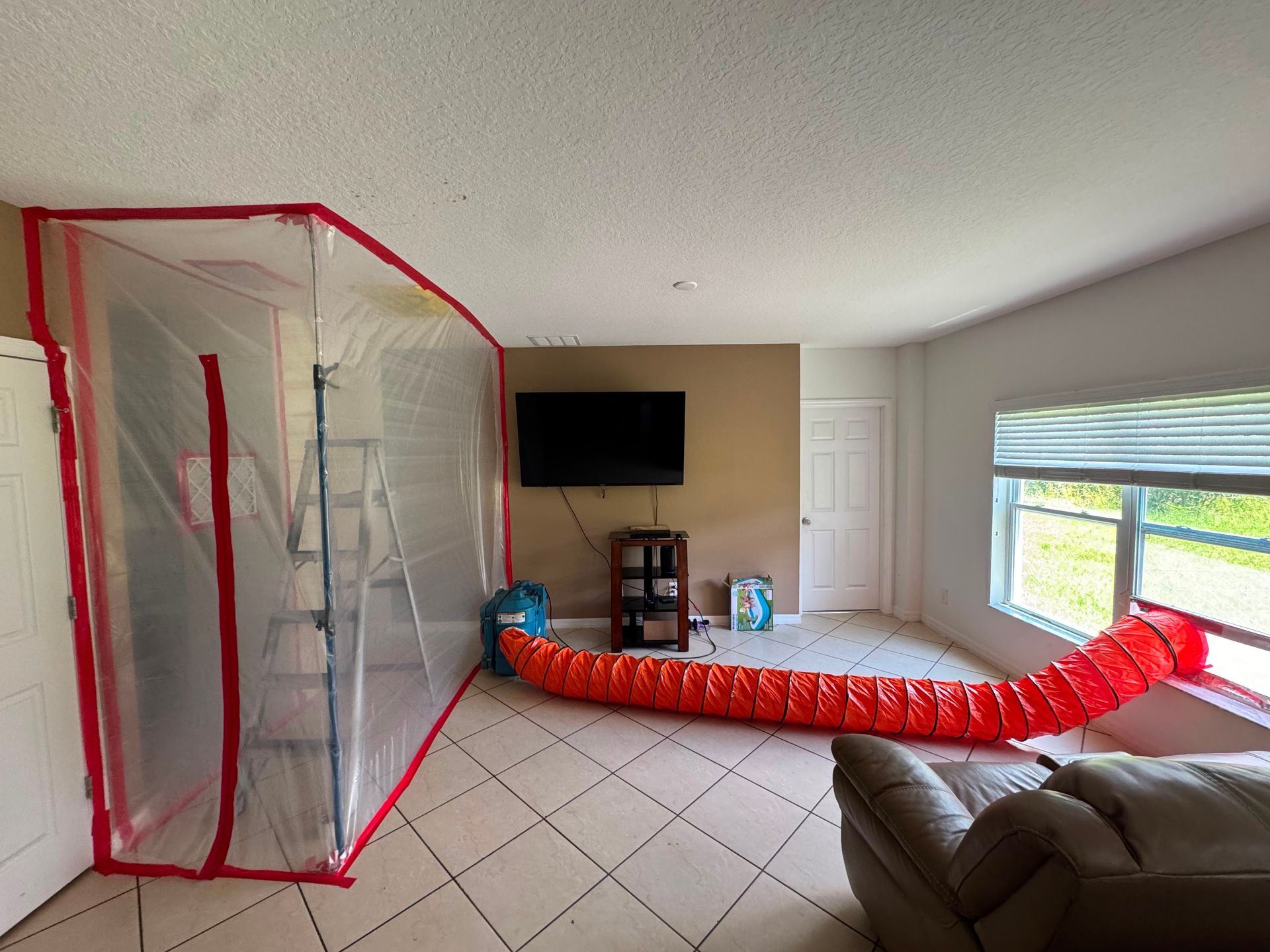
Floodwater can carry bacteria, contaminants, and hidden moisture that may remain inside walls, flooring, and insulation. Professional restoration specialists use advanced moisture detection equipment, industrial drying systems, and specialized cleaning methods to restore your property safely and efficiently.
A fast response can significantly reduce repair costs and help prevent long-term structural damage and mold growth.
We're Here When You Need Us
If your home or business has suffered water damage from flooding, storms, or plumbing failures, our experienced restoration team is available to respond quickly. We provide professional water extraction, structural drying, mold prevention, and complete restoration services to help get your property back to normal.